Radiation-Detection Systems Are Quietly Running in the Background All Around You
Radiation-Detection Systems Are Quietly Running in the Background All Around You
As we go about our daily lives, we are often unaware of the many ways in which technology is quietly working in the background to keep us safe. One such example is radiation-detection systems, which are constantly monitoring our surroundings for any signs of nuclear or radioactive materials.
These systems are used in a wide range of settings, from airports and border crossings to hospitals and research facilities. They rely on sophisticated sensors to detect the presence of radiation and alert authorities to any potential threats.
While most of us may never see these systems in action, they play a crucial role in protecting us from the dangers of radiation exposure. In the event of a nuclear incident or terrorist attack involving radioactive materials, these detection systems can help to quickly identify contaminated areas and prevent further spread of radiation.
Despite their importance, radiation-detection systems are often taken for granted. But their constant vigilance serves as a powerful reminder of the unseen forces at work in our modern world, silently safeguarding our health and well-being.
So next time you pass through a security checkpoint or visit a hospital, take a moment to appreciate the quiet presence of these vital systems, working tirelessly to keep us safe from the invisible threat of radiation.
In conclusion, radiation-detection systems are an essential part of our modern society, quietly running in the background all around us to protect us from potential harm. Their presence may go unnoticed, but their impact on our safety and security is undeniable.
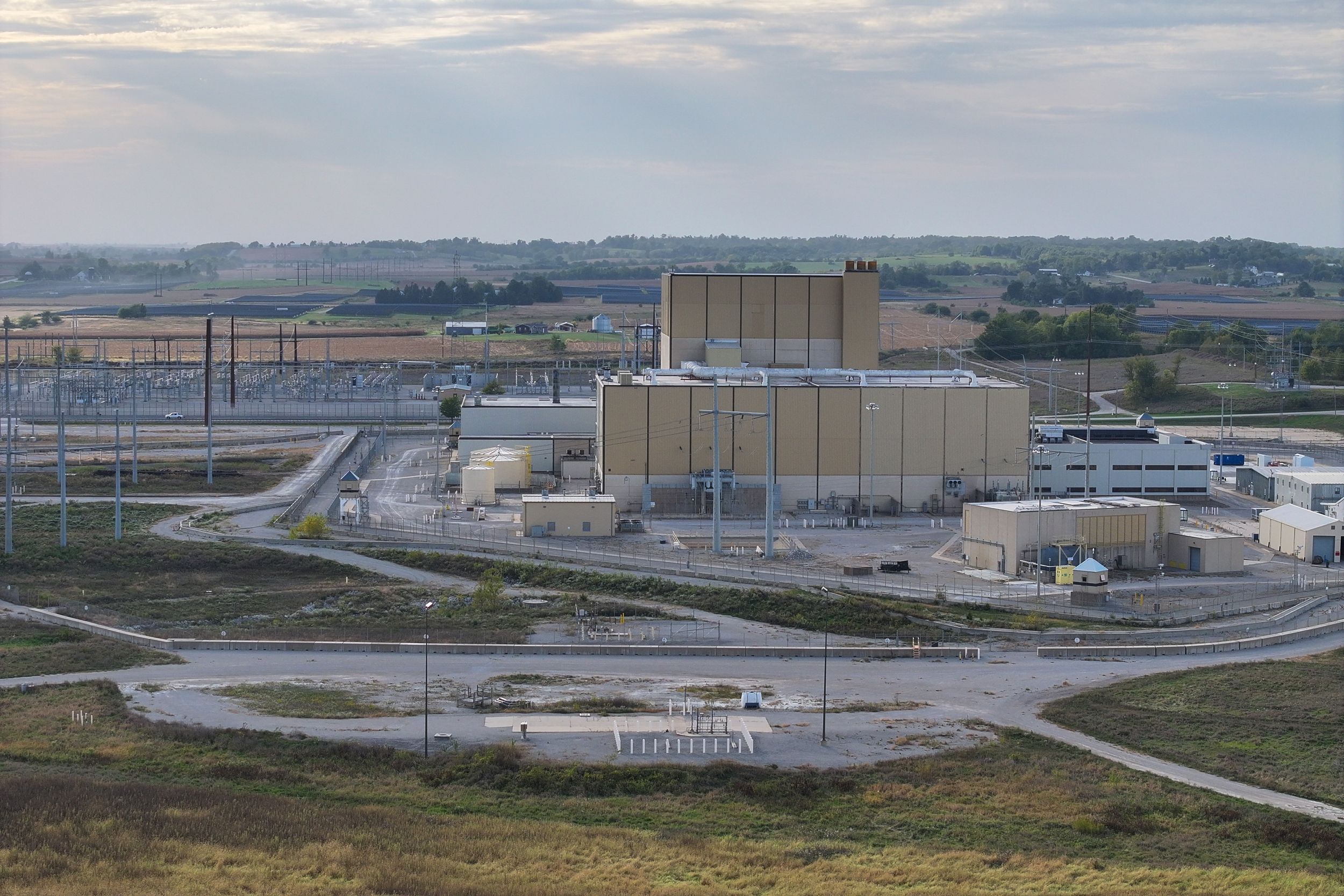
Google Data Centers Are Returning Nuclear Power to Tornado Country

Americans Are Increasingly Convinced That Aliens Have Visited Earth

Trump’s Agriculture Bailout Is Alienating His MAHA Base
About The Author
