The Dollar Is Facing an End to Its Dominance
The Dollar Is Facing an End to Its Dominance
The dollar has long been the dominant currency in the global economy, used for international trade, investments, and as a reserve currency by central banks around the world. However, recent economic shifts and geopolitical developments are raising questions about the future of the dollar’s supremacy.
One key factor in the potential decline of the dollar’s dominance is the rise of other currencies, such as the Chinese yuan and the euro, as viable alternatives for international transactions. As these currencies gain strength and stability, countries may be less inclined to rely solely on the dollar for their financial needs.
Additionally, the growing geopolitical tensions between the US and other major economies, such as China and the European Union, are leading some countries to explore ways to reduce their dependency on the dollar. This could further weaken the dollar’s position as the world’s primary reserve currency.
Furthermore, the massive levels of debt held by the US government and the Federal Reserve’s aggressive monetary policies in response to the global pandemic have raised concerns about the long-term value of the dollar. As inflation and economic uncertainty persist, investors may turn to alternative assets, such as gold or cryptocurrencies, as a hedge against potential dollar devaluation.
Overall, while the dollar is unlikely to lose its status as a major global currency in the near future, the challenges it faces highlight the need for diversification and a reevaluation of the current international monetary system. The future of the dollar’s dominance remains uncertain, and policymakers and market participants will need to adapt to a changing financial landscape.
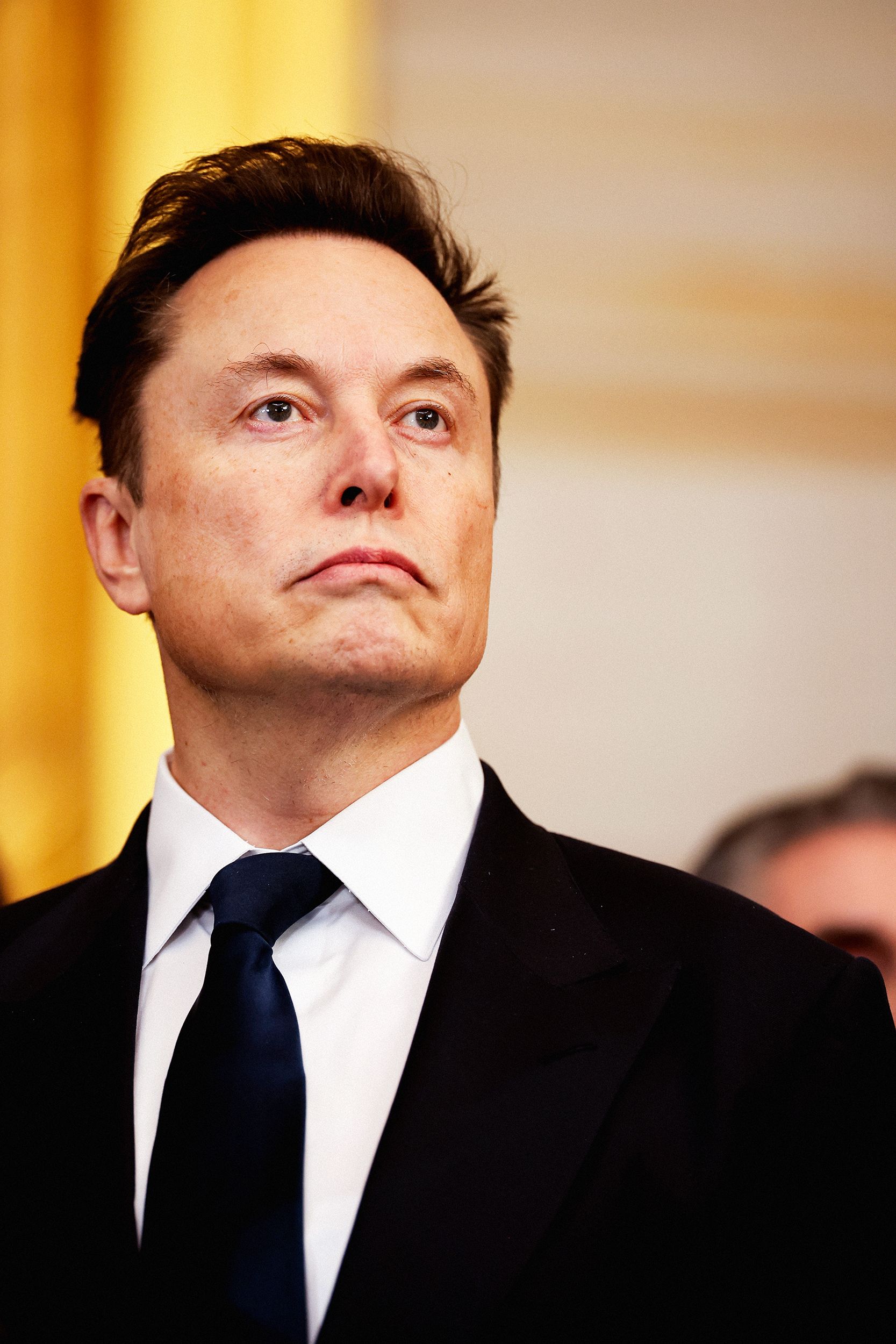
Why SpaceX Is Finally Gearing Up to Go Public
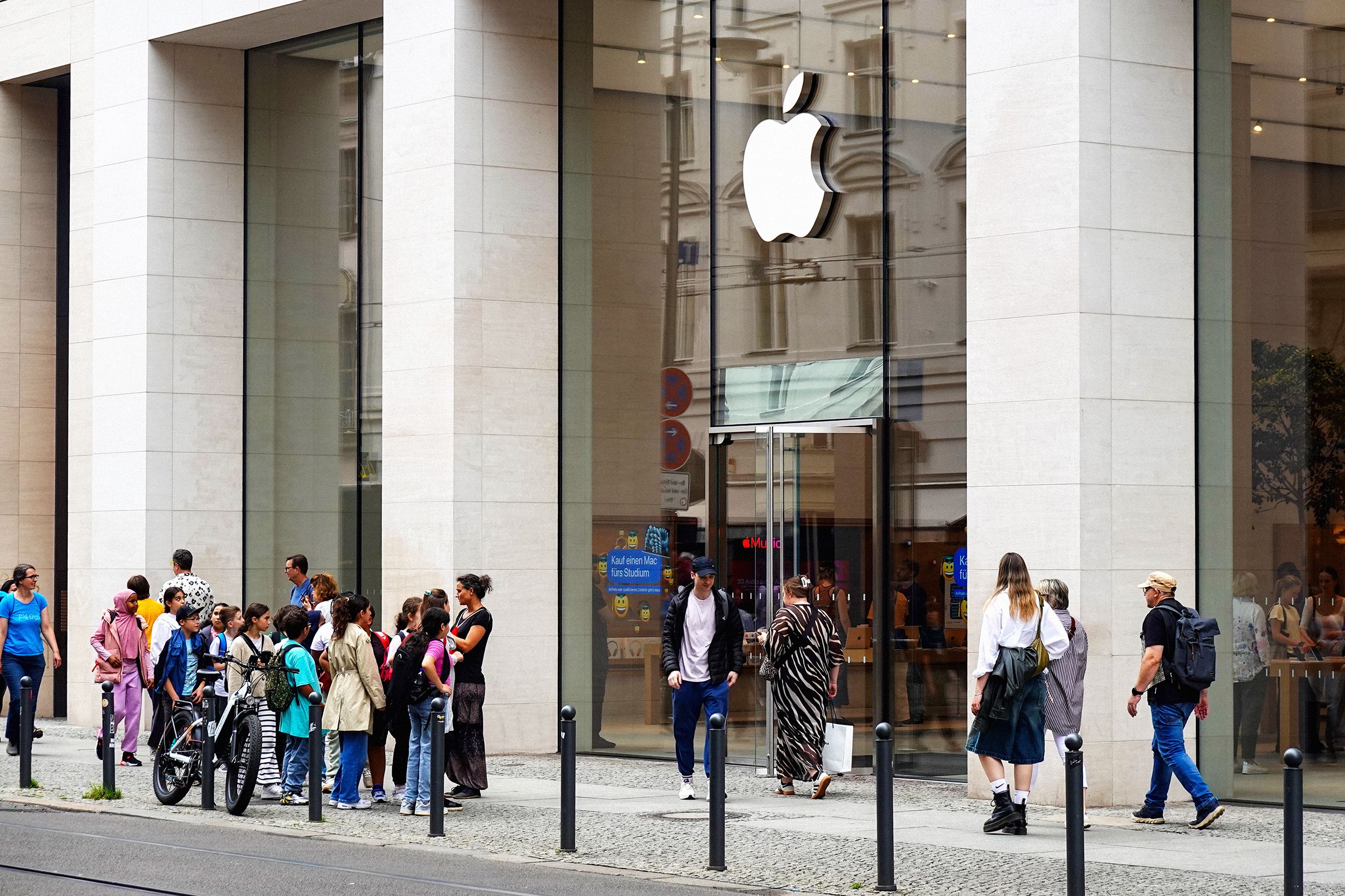
Apple’s App Course Runs $20,000 a Student. Is It Really Worth It?

6 Scary Predictions for AI in 2026
About The Author
