How Do Astronomers Find Planets in Other Solar Systems?
How Do Astronomers Find Planets in Other Solar Systems?
Astronomers have developed several techniques to detect planets outside our solar system, also known as exoplanets. One common method is the transit method, where astronomers look for dips in a star’s brightness caused by a planet passing in front of it. This method has led to the discovery of thousands of exoplanets.
Another technique is the radial velocity method, which involves observing the gravitational pull of a planet on its star, causing it to wobble slightly. By studying these wobbles, astronomers can infer the presence of planets orbiting the star.
Some exoplanets are found using the direct imaging method, where astronomers capture images of the planets themselves. This technique is challenging due to the extreme brightness of stars compared to planets.
Other methods include gravitational microlensing, where the gravity of a planet bends and magnifies light from a distant star, and astrometry, which measures the tiny wobbles of a star caused by the gravitational pull of an orbiting planet.
Each of these methods has its strengths and limitations, and astronomers often use a combination of techniques to confirm the existence of exoplanets. With advancements in technology and telescopes, astronomers continue to discover new and exciting planets in other solar systems.

Brain Gear Is the Hot New Wearable

Americans Are Increasingly Convinced That Aliens Have Visited Earth
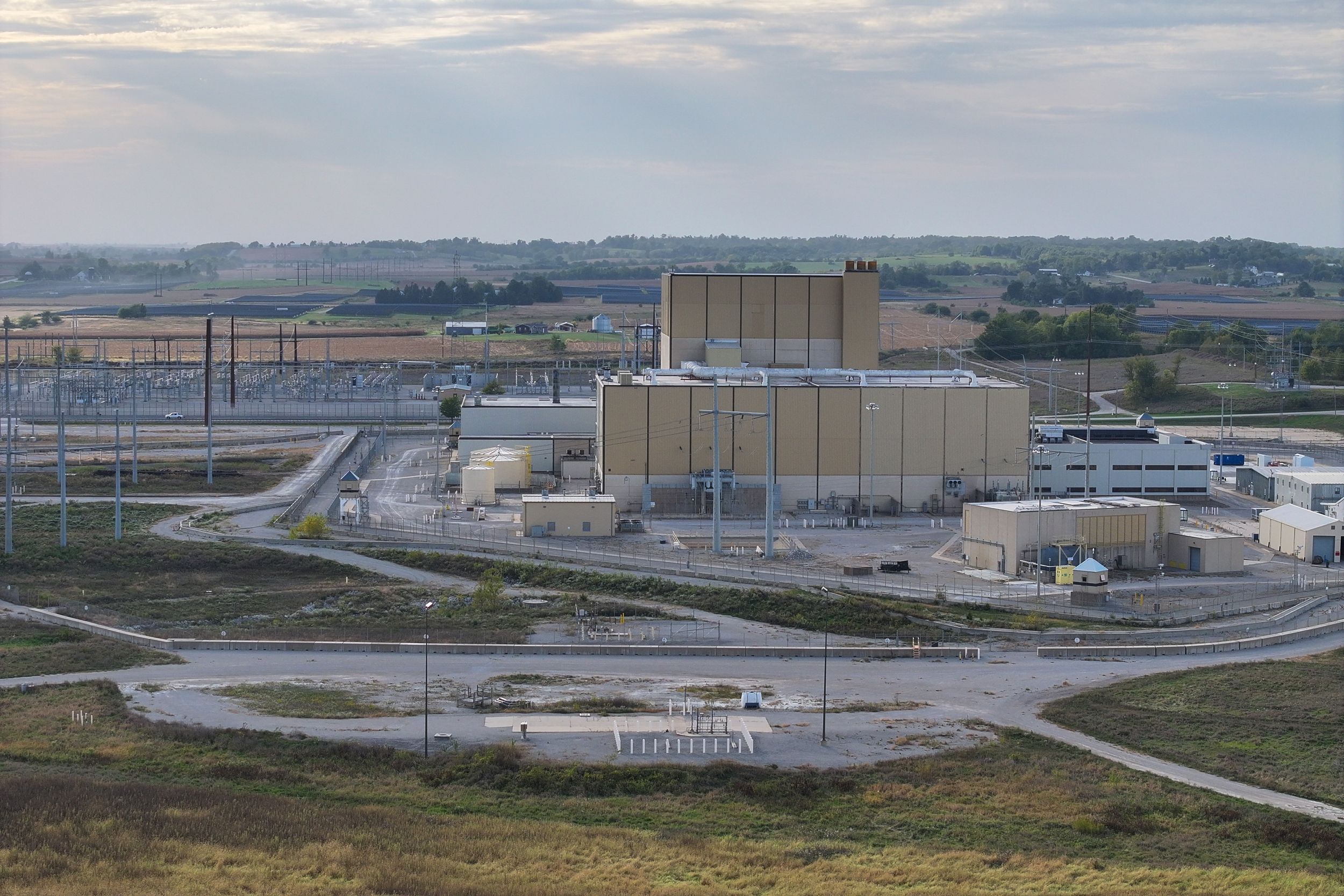
Google Data Centers Are Returning Nuclear Power to Tornado Country
About The Author
